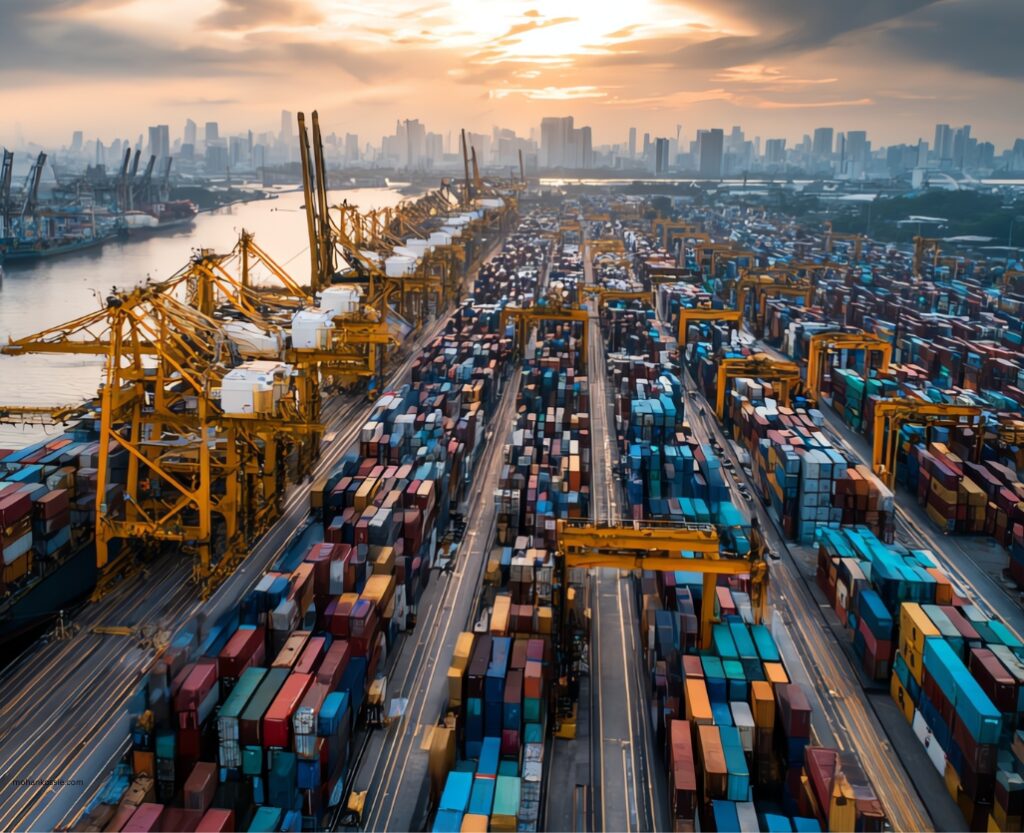
Sourcing industrial machines from China can open the door to incredible opportunities for businesses across Africa, Europe, and beyond. China is home to some of the world’s largest and most competitive manufacturers, producing everything from heavy-duty machinery to specialized auto parts at highly competitive prices. But with opportunity comes risk—scams, poor quality products, and complex logistics can quickly turn a great deal into a costly mistake.
This guide walks you through a step-by-step process to safely source industrial machines from China, ensuring that your investment is secure, your products meet the required standards, and your delivery arrives smoothly.
Step 1: Identify Your Needs Clearly
Before you begin searching for suppliers, define exactly what you need:
- Machine Specifications: Size, output capacity, power source, durability, and compliance with your country’s regulations.
- Quantity & Budget: Know your order volume and your maximum spend.
- Delivery Timeline: Factor in production lead times, shipping duration, and customs clearance.
Having these details clear ensures you can communicate effectively with suppliers and avoid unnecessary misunderstandings.
Step 2: Research and Vet Suppliers
The internet is full of suppliers claiming to sell industrial machines, but not all are trustworthy. To reduce risk:
- Use Trusted Platforms: Alibaba, Made-in-China, and Global Sources are popular starting points, but proceed with caution.
- Verify Business Credentials: Check business licenses, certifications (like ISO), and registration with trade associations.
- Look for Export Experience: Suppliers who have exported to Zimbabwe, South Africa, or the UK before are more likely to understand documentation and compliance.
- Read Reviews and Case Studies: Honest feedback from past buyers can reveal a lot about reliability.
If possible, consider visiting trade fairs in China such as the Canton Fair, where you can meet suppliers face-to-face and inspect their machines.
Step 3: Request Product Samples or Factory Visits
For smaller parts, always ask for samples before placing a bulk order. For large industrial machines where samples aren’t practical:
- Request a Factory Tour: Many suppliers will allow video tours if you cannot visit in person.
- Third-Party Inspection Services: Independent agencies in China can inspect machines before shipment and provide a detailed quality report.
- Check Compliance Certificates: Ensure the machine meets safety standards required in your destination country.
This step protects you from receiving substandard or counterfeit equipment.
Step 4: Negotiate the Right Contract Terms
Negotiation is a key part of sourcing. Pay attention to:
- Pricing & Payment Terms: Avoid paying 100% upfront. A safe structure is 30% deposit and 70% after inspection but before shipment.
- Warranty & After-Sales Service: Make sure the supplier offers technical support and reasonable warranty terms.
- Incoterms (Shipping Terms): Understand whether the price includes shipping (CIF – Cost, Insurance, and Freight) or only covers delivery at the factory (EXW – Ex Works).
Clear contracts help avoid disputes later.
Step 5: Arrange Safe Logistics and Shipping
Once the machines are ready, logistics is the next big hurdle. To ensure safe delivery:
- Work with Experienced Freight Forwarders: They handle customs documentation, shipping schedules, and cargo insurance.
- Choose the Right Mode of Transport: Sea freight is cost-effective for bulky machines, while air freight is faster for urgent orders.
- Insure Your Cargo: Always get insurance to protect against damage or loss during shipping.
A reliable partner will ensure that your machines arrive safely, on time, and cleared through customs without hassle.
Step 6: Handle Customs and Import Regulations
Every country has unique import rules. For example:
- Zimbabwe & South Africa: May require specific licenses for industrial equipment.
- UK: Machines must meet strict CE marking standards and safety compliance.
To avoid delays:
- Have all required invoices, packing lists, and certificates of origin ready.
- Factor in duties, tariffs, and VAT when calculating your costs.
- Work with customs brokers who understand your local market.
Step 7: Protect Yourself with Trusted Partnerships
Even if you follow all the steps above, sourcing independently can still feel overwhelming. This is where working with a trusted sourcing partner makes all the difference:
- Supplier Verification: They already have networks of verified, reliable manufacturers.
- Negotiation Power: They can secure better prices and terms on your behalf.
- End-to-End Delivery: From sourcing to shipping to customs clearance, everything is managed for you.
- Peace of Mind: You avoid costly mistakes, scams, and unnecessary stress.
Final Thoughts
Sourcing industrial machines from China offers huge benefits: competitive pricing, wide product variety, and access to global innovation. But safety, quality, and trust must always come first. By following this step-by-step guide—or partnering with a reliable sourcing company—you can transform the way your business accesses equipment, fueling growth without unnecessary risks.
Ready to source your next machine safely? Partner with experts who know the market, the manufacturers, and the logistics—so you get the right machine, at the right price, delivered safely to your doorstep.